


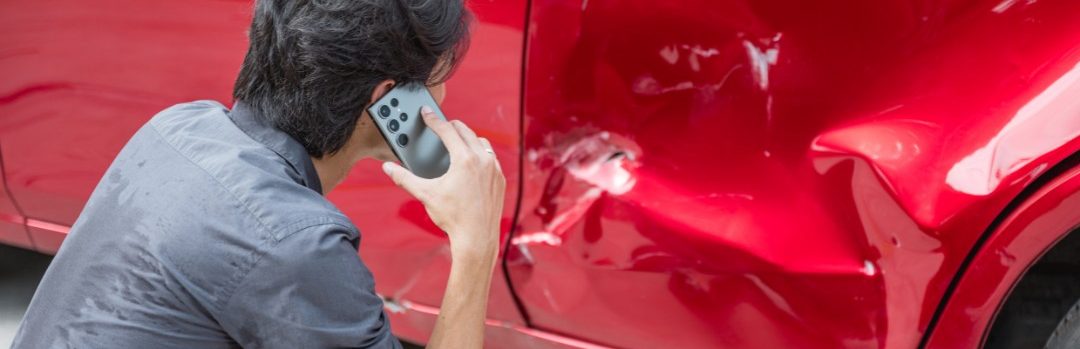
After a car accident, it’s easy to take a quick look at your vehicle and assume everything is fine. If there are no major dents or broken parts, many drivers move on without a second thought. The problem is that damage from a collision isn’t always visible on the surface [1], and what you can’t see could put your safety at risk.
What is Hidden Structural Damage?
Structural damage refers to harm done to your vehicle’s core framework, which supports the entire car and helps protect passengers during a crash. Most modern vehicles use a unibody design, meaning the frame and body are built as one integrated structure. Since everything is connected, damage to one area can affect the vehicle’s overall alignment, strength, and crash protection [2].
Even minor collisions can impact this structure. What looks like a small bump can shift key components underneath the surface, compromising how your vehicle performs and protects you.
Why Your Car Might Look Fine After a Collision
Modern vehicles are designed with advanced safety features like crumple zones, which are built to absorb and redistribute impact energy. While this helps protect passengers, it also means that parts of the car are intentionally designed to crumple and absorb force during a crash [3].
As a result, the visible exterior may appear mostly unchanged, while internal components have already absorbed significant damage. In many cases, impacts can travel through the vehicle and cause misalignment or structural stress in areas from the point of contact [4].
Common Types of Hidden Damage
Even low-speed accidents can lead to issues that are not immediately noticeable, including [1]:
- Frame misalignment, which can cause the car to pull one side or wear tires unevenly
- Suspension or alignment problems that affect handling and stability
- Electrical system disruptions, especially in modern vehicles with dozens of sensors and electronic components
- Internal bumper damage, where energy-absorbing materials are compromised beneath an intact exterior
- Hidden fluid leaks that can lead to overheating or engine damage over time
These issues may not show up right away, but they can worsen quickly if left unaddressed.
Warning Signs Something Isn’t Right
After an Accident, your vehicle may give subtle clues that something is wrong. You might notice:
- Steering pulling to one side [5]
- Uneven tire wear
- Vibrations or unusual noises
- Doors, hood, or trunk not closing properly
- Dashboard warning lights or electrical issues
These symptoms often point to deeper problems beneath the surface.
Why Driving Without an Inspection is Risky
Even if your car seems drivable, hidden damage can create serious safety concerns. Structural issues can reduce your vehicle’s ability to protect you in another accident, while alignment or suspension problems can affect control on the road. In some cases, driving a damaged vehicle can lead to further mechanical failure, increased repair costs, or even legal risks if the car is not roadworthy [6].
The Importance of a Professional Inspection
A quick visual check is no longer enough for modern vehicles. Today’s cars rely on precise alignment, integrated safety systems, and advanced electronics. Surface-level inspections often miss deeper issues that only specialized tools and trained technicians can detect [7].
Professional collision repair shops use computerized measuring systems and diagnostics tools to identify structural damage, ensuring your vehicle is restored to proper safety standards.
Protect Your Safety With a Professional Inspection
After any collision, no matter how minor it seems, it’s important to take the next step and have your vehicle thoroughly inspected. Hidden damage can affect your car’s safety, performance, and long-term reliability.
At GEM Autobody, our experienced technicians go beyond surface-level repairs to ensure your vehicle is structurally sound and safe to drive. Schedule a professional inspection today and drive with confidence knowing your car has been properly evaluated and restored.
Sources:
- https://www.thezebra.com/resources/car-insurance/hidden-car-accident-damages/
- https://engineschool.org/what-structural-damage-car-really-means-how-it-impacts/
- https://auto.howstuffworks.com/car-driving-safety/safety-regulatory-devices/crumple-zone.htm
- https://engineerfix.com/can-a-rear-end-collision-cause-frame-damage/
- https://www.kbb.com/car-advice/vehicle-frame-damage/
- https://martintaggart.com/can-i-drive-my-car-after-an-accident-know-when-its-safe-and-legal/
- https://speedwaymedia.com/2025/07/15/post-accident-vehicle-inspection-the-critical-steps-most-drivers-skip/