


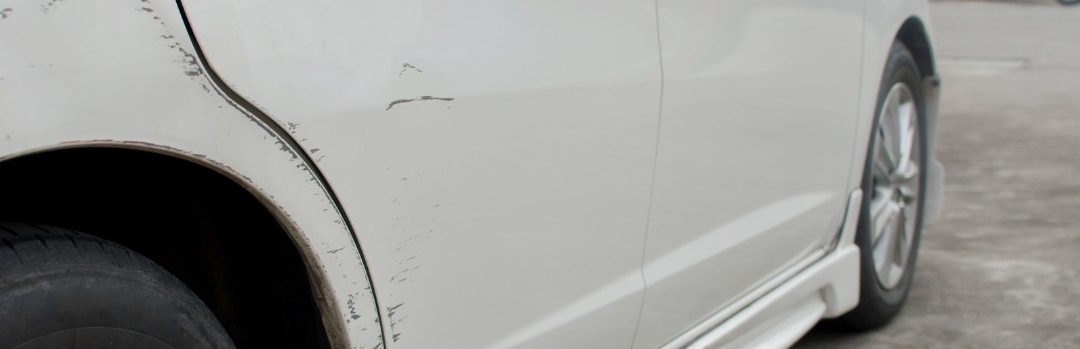
Discovering a dent on your vehicle is frustrating, especially when the damage appears minor. With inexpensive dent puller kits readily available online, attempting a quick DIY repair can seem like an easy way to save money.
However, removing a dent involves more than simply pulling the metal back into place. Without proper technique, an inexpensive fix can create additional damage, potentially turning a straightforward repair into a costly body shop visit.
Pulling Too Hard Can Stretch the Metal
Automotive body panels are designed to withstand some pressure, but metal has limits. When a panel is dented, the metal bends or deforms. If excessive force pushes it beyond its elastic limit, the metal can become permanently stretched. Pulling on a dent too aggressively or too far can distort the metal [1], making it more difficult to restore the panel’s original shape.
Professional dent repair requires controlled pressure and an understanding of how the surrounding metal responds. Without that knowledge, drivers may unintentionally create additional distortion while trying to remove the original dent.
DIY Dent Pullers Can Create High Spots
One common mistake when using a dent puller is applying too much force to a concentrated area.
This can create a high spot, which occurs when part of the metal rises above the surrounding panel instead of returning to its original contour. Rather than eliminating the damage, the repair may leave behind visible bumps, ripples, or uneven reflections.
Restoring a smooth panel requires identifying and correcting surface imperfections [2], including both raised and recessed areas. Professional technicians use specialized tools and techniques to carefully reshape damaged panels rather than simply pulling outward.
Damaged Clear Coat Can Eliminate Paintless Repair Options
Paintless dent repair (PDR) is often an option for minor dents when the vehicle’s original paint finish remains intact. However, improper pulling techniques can crack, chip, or otherwise damage the clear coat.
Automotive paint typically consists of multiple layers, including primer, color, and a protective clear coat [3]. When that protective finish is compromised, reshaping the metal alone may no longer be enough.
Depending on the damage, repairs may require sanding, body filler, surface preparation, and refinishing to restore the vehicle’s appearance [4]. This makes preserving the original paint an important consideration before attempting DIY dent removal.
A Cheap DIY Repair Can Lead to a Much Bigger Bill
The biggest risk of DIY dent pulling is that a small problem can become a more expensive repair.
Consider a minor dent that initially qualifies for a $150 paintless dent repair. After an unsuccessful DIY attempt stretches the metal or damages the clear coat, the vehicle may instead require traditional bodywork and repainting costing $800 or more.
That’s more than five times the original repair cost, all from an attempt to save money.
Traditional body repairs can involve multiple stages of preparation, filler application, sanding, and painting, increasing the work required compared with an eligible paintless repair [5]. While actual prices vary depending on the vehicle and extent of the damage, professional evaluation can help prevent unnecessary complications.
Protect Your Vehicle’s Finish With Professional Dent Repair
DIY dent puller kits may work for certain minor dents, but they also carry risks when used without the proper knowledge or technique. Before attempting to pull a dent yourself, let an experienced professional assess the damage and determine the most appropriate repair method.
Contact Gem Autobody today to schedule a professional dent assessment and explore repair options that can restore your vehicle’s appearance while helping you avoid unnecessary damage and expenses.