


Few things are more frustrating than walking up to your vehicle and discovering a new dent or ding. Whether it came from a shopping cart, a hailstorm, or an accidental door swing in a parking lot, even minor damage can take away from your vehicle’s appearance. Fortunately, not every dent requires extensive bodywork or repainting.
Painless dent repair (PDR) is a fast, cost-effective solution for many types of minor vehicle damage, helping restore your vehicle’s appearance while preserving its original finish.
What Is Paintless Dent Repair?
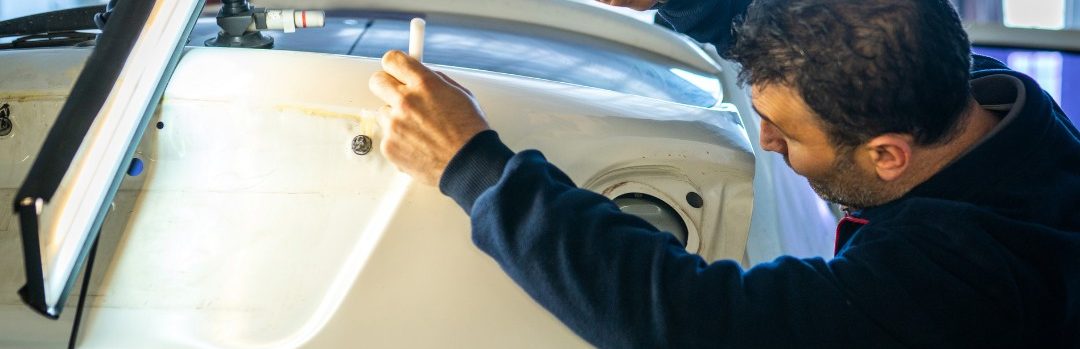
PDR is a specialized repair technique used to remove dents and dings without sanding, body filler, or repainting. Instead of replacing parts or refinishing the damaged area, technicians carefully work the metal back into its original shape using specialized tools.
The process relies on the metal panel’s ability to return to its original form when the precise pressure is applied to the damaged area [1]. In many cases, technicians access the backside of the panel and gently massage the dent outward until it blends seamlessly with the surrounding surface.
Due to the factory paint remaining untouched, PDR is often considered one of the least invasive forms of auto body repair.
When Is Paintless Dent Repair a Good Option?
PDR works best when the vehicle’s paint has not been cracked, chipped, or otherwise damaged. It is commonly used for:
- Door dings
- Minor dents from parking lot incidents
- Hail damage
- Small impacts from soft objects
- Dents on hoods, roofs, doors, trunks, and fenders
Many minor dents qualify for PDR, making it one of the most versatile repair methods available. In fact, many common dents and dings can be repaired without repainting or replacing body panels [1].
The Benefits of Paintless Dent Repair:
Benefit #1: Preserves Your Vehicle’s Factory Finish
One of the biggest advantages of PDR is that it allows technicians to repair damage while keeping the original paint intact. This eliminates concerns about paint matching, overspray, or noticeable differences between repaired and un repaired panels.
Since the original factory finish remains untouched throughout the repair process [2], your vehicle maintains the appearance the manufacturer intended.
Benefit #2: Faster Turnaround Times
Traditional body repairs often involve multiple steps, including sanding, filling, priming, painting, and curing. PDR skips those steps entirely.
As a result, many PDRs can be completed significantly faster than conventional body repairs [3], allowing you to get back on the road sooner.
Benefit #3: Lower Repair Costs
Without the need for paint materials, replacement panels, or extensive labor, PDR is often a more affordable repair option for qualifying damage.
There is no need for sanding, body filler, or repainting [4], so customers can often save money while still achieving excellent cosmetic results.
Benefit #4: Helps Maintain Vehicle Value
Vehicle buyers often prefer vehicles that retain their original paint. Repaired panels that have been repainted may raise questions during resale or trade-in evaluations.
By preserving the original finish, PDR can help protect the vehicle’s long-term appearance and resale value [4].
When Traditional Repairs May Be Necessary
While PDR is highly effective, it is not the right solution for every situation. Deep creases, severely stretched metal, damage near panel edges, or dents with cracked paint may require conventional collision repair techniques.
An experienced auto body professional can evaluate the damage and determine the most appropriate repair method for your vehicle.
Restore Your Vehicle Without the Hassle
Minor dents do not always require major repairs. PDR offers a fast, affordable, and effective way to restore your vehicle’s appearance while preserving its factory finish.
If you’ve noticed a dent, ding, or hail damage on your vehicle, trust our team at Gem Autobody to assess the damage and recommend the best repair solution. Schedule an evaluation today and let our experienced technicians help bring your vehicle back to its best condition.
Sources:
- https://www.capitalone.com/cars/learn/finding-the-right-car/what-to-know-about-paintless-dent-repair/3558
- https://engineerfix.com/what-is-paintless-dent-repair-pdr-and-how-does-it-work/
- https://auto.howstuffworks.com/under-the-hood/diagnosing-car-problems/body/finishes-prevent-body-damage.htm
- https://www.carwise.com/blog/2015/11/04/pdr-not-just-for-hail-damage/