


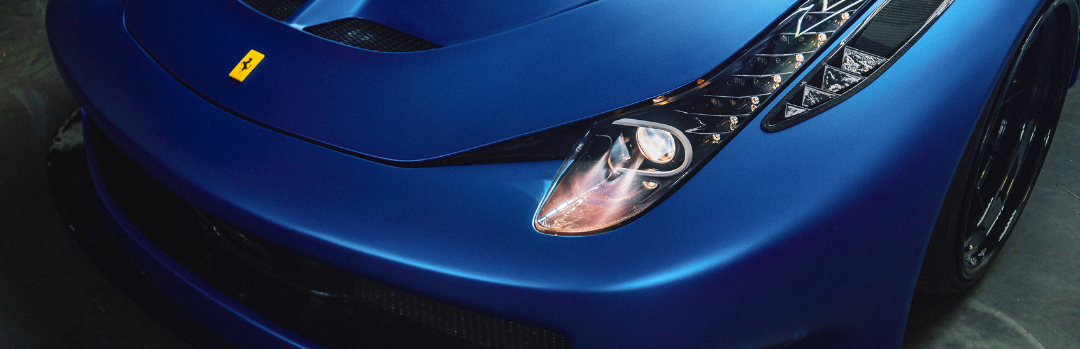
After a car accident, it is common to assume that scratches or paint damage can be fixed with a simple touchup. While that may work for very minor imperfections, collision damage is a completely different situation. Automotive paint systems are complex, and restoring them properly requires far more than applying a small amount of matching color. Here is why factory paint cannot simply be touched up after a collision.
Factory Paint Is More Complex Than It Looks
Vehicle paint is not just a single layer of color. It is a multi-step system that includes primer, basecoat, and clearcoat, all applied under controlled factory conditions. Modern automotive colors are also more advanced than ever.
Automotive colors today are increasingly complex, with a wide range of pigments and finishes that make matching more difficult than it used to be [1]. Metallic and pearl finishes reflect light in unique ways, meaning even small differences and application can change how the color appears.
Collision Damage Goes Beyond Surface Scratches
After a collision, paint damage is rarely limited to the surface. The impact can crack the clearcoat, expose the basecoat, or even damage the material underneath. This type of damage requires proper service preparation before any paint is applied.
Simply adding touch-up paint over damaged areas does not restore the structure or protection of the original finish. Without proper repair, the surface may remain uneven, vulnerable to moisture, and visually inconsistent.
Why Color Matching Is So Difficult
Even when using the correct paint code, achieving a perfect match is not guaranteed. Several factors include how a color appears once applied.
Vehicle manufacturers often produce the same color in different plants using different materials and processes, which can lead to slight variations in shade [2]. Over time, exposure to sunlight, weather, and environmental conditions can also cause the original paint to fade or change.
In addition, spray technique, air pressure, mixing ratios, and environmental conditions like temperature and humidity can all affect how the final color looks [2]. These variables make it difficult to recreate an exact match using a simple touchup method.
Why Touch-Up Paint Often Looks Wrong
Touch-up paint is designed for very small chips, not for repairing collision damage. One of the most noticeable issues is color mismatch.
Touch-up paint is often applied in thicker layers than factory paint, which concentrates pigments and can make the repaired area appear darker than the surrounding finish [3]. The way the paint is applied also matters. Factory paint is sprayed in thin, even layers, while touch-up paint is typically brushed on, creating a different texture and light reflection.
For metallic or pearl finishes, this difference is even more noticeable. The particles that give the paint its shimmer are not aligned properly when applied by hand, which can make the repaired area look dull or uneven.
Why Professional Blending Is Necessary
In most collision repairs, body shops do not simply repaint the damaged area. Instead, they blend the new paint into adjacent panels to create a seamless appearance.
Blending is a technique that extends the new paint into nearby panels so that the eye sees a consistent color rather than a visible repair line [2]. This process helps account for slight color differences and ensure the repair looks natural from every angle.
Blending is often combined with tinting adjustments to refine the color match further, especially for modern finishes that are more sensitive to variation.
When Touch-Up Paint Might Be Enough
Touch-up paint can still be useful in certain situations. Very small rock chips or minor scratches may benefit from a quick application to prevent rust or reduce visibility.
However, for collision-related damage, touch-up paint is not a long-term or professional solution. It cannot replicate factory conditions, restore the full paint system, or deliver a consistent finish across the panel.
Restore Your Vehicle’s Finish the Right Way
After a collision, your vehicle deserves more than a quick paint fix. Proper refinishing involves careful repair, precise color matching, and professional blending to restore both appearance and protection.
Gem Autobody has the tools, experience, and techniques needed to bring your vehicle back to its original condition. Contact Gem Autobody today to schedule an estimate and get a repair that looks right, lasts longer, and protects your investment.
Sources: